Zhi Shen: The Core of Execution Conservation and Loyalty in Date Selection
Zhi Shen is one of the Twelve Jian Chu Gods, characterized as the God of Execution and Conservation, governing control, execution, and loyalty. It is favorable for establishing documents and marriage, and unfavorable for relocation, serving as a key indicator for assessing action capability in traditional date selection.
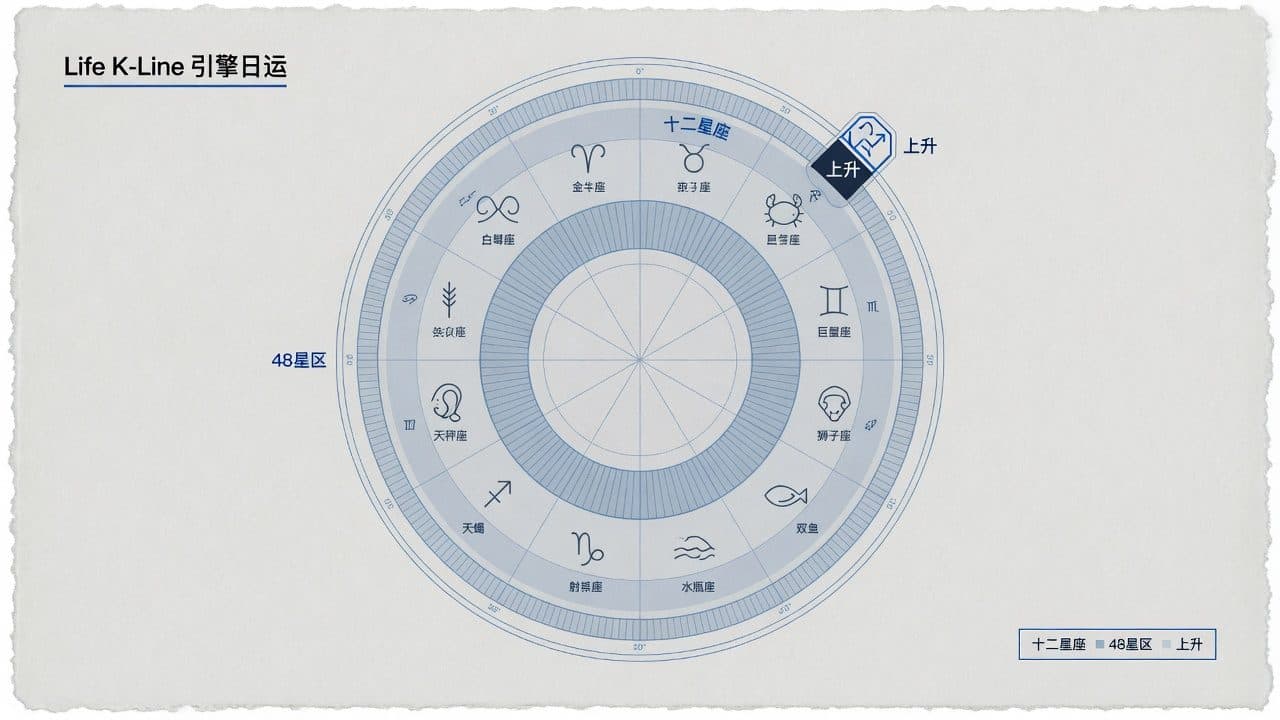
星座百科总览:把抽象判断拆成可看见的结构关系。
Concept Definition
Zhi Shen is a specific Shen Sha within the Twelve Jian Chu system, with its core nature defined as the God of Execution and Conservation. In the traditional date selection system, the Twelve Jian Chu Gods correspond to one specific God each day. Zhi Shen represents a stable execution capability and a state of conservation. It symbolizes holding onto matters, carrying them through to the end, and maintaining loyalty, serving as an important scale for measuring whether actions are steady.
In traditional metaphysics, Zhi Shen is not just an abstract concept; it is specifically associated with concrete affairs such as establishing documents (Li Juan) and marriage. Establishing documents means formalizing plans into official records, requiring firm execution; marriage involves establishing a long-term marital relationship, requiring unwavering loyalty. Therefore, in terms of concept definition, Zhi Shen is closely linked with keywords such as stability, persistence, and implementation, acting as an important symbol regarding action capability in metaphysics.
Traditional Metaphysical Meaning
From the perspective of traditional metaphysics, Zhi Shen governs control and execution, symbolizing an unquestionable persistence. In the cognition of ancients, this Shen Sha could bring results where matters are implemented, making it suitable for occasions requiring finalizing plans and carrying them out. It emphasizes maintaining a state of conservation in a dynamically changing environment, not easily changing one's original intention due to external interference.
Zhi Shen also governs loyalty, which is reflected in the level of interpersonal relationships and commitments. If one encounters Zhi Shen on a certain day, it means the Qi field of that day is favorable for establishing stable trust relationships. This loyalty is not blind stubbornness, but rather based on a high identification with responsibility. In the context of traditional classics, Zhi Shen is often linked with virtues such as integrity and responsibility, serving as an important reference basis for evaluating whether a person or a relationship is worthy of entrustment.
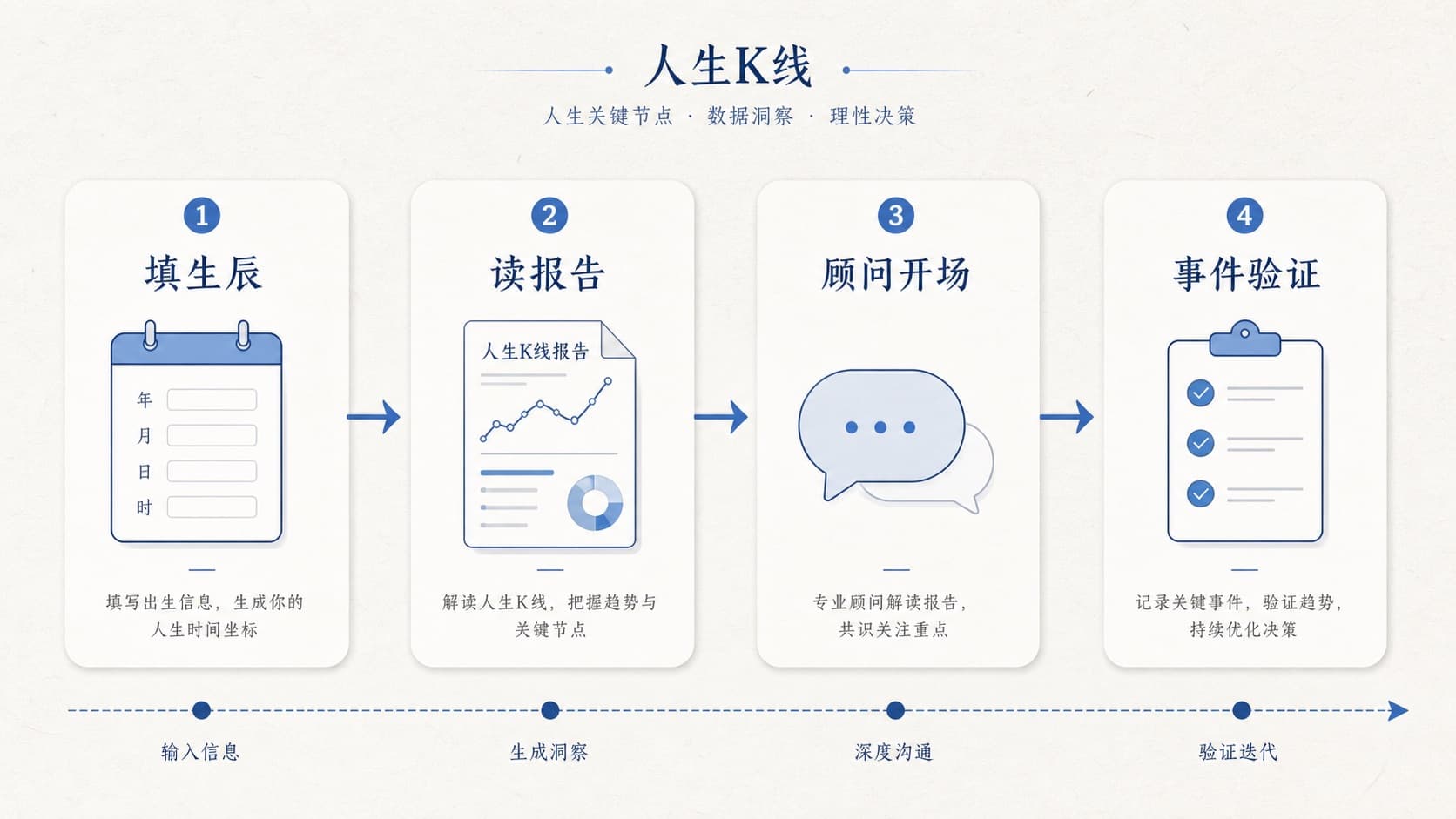
从生辰到可执行判断:把抽象判断拆成可看见的结构关系。
Practical Configuration and Interpretation
In terms of usage, one needs to look up the Jian Chu Shen for the current day. If it is Zhi Shen, focus on its favorable and unfavorable items. Combine this with the Day Stem/Branch and the individual's BaZi for a comprehensive judgment. If the Day Master's Yong Shen is Earth or Metal, and the BaZi requires stable execution capability, encountering Zhi Shen is particularly favorable. At this time, one can plan according to the favorable items, suitable for converting long-term goals into specific execution steps.
In practical configuration, 'favorable for establishing documents' and 'favorable for marriage' are the most direct guidelines for Zhi Shen. Establishing documents refers to formally establishing proposals, contracts, etc., at which time Zhi Shen can ensure matters are not forgotten or shirked. Marriage utilizes its nature of loyalty to缔结 (conclude) stable marital relationships. If encountering 'unfavorable for relocation', one should avoid moving houses, traveling for business, or changing jobs, because at this time changes would disrupt the conservation state represented by Zhi Shen, leading to failed plans.
Common Misconceptions
Many people, when using Jian Chu Gods, easily overlook the conservation characteristic of Zhi Shen, mistakenly believing that as long as a matter starts, it will be completed successfully. Actually, Zhi Shen emphasizes the persistence of the process rather than the quick success of results. If frequent goals are changed or abandoned midway on a day of Zhi Shen, even if the Qi field of that day is good, it will be difficult to achieve the expected stable effect.
Another common misconception is to understand Zhi Shen purely as stubbornness. While loyalty and stubbornness are related, their essence is different. Zhi Shen's loyalty is built upon loyalty and responsibility, whereas stubbornness often accompanies rigidity and an inability to adapt. When judging, one should combine it with the BaZi pattern. If the natal chart itself is rigid, encountering Zhi Shen may instead aggravate problems, requiring a dialectical view.
FAQ
Question: What specific jobs are suitable for Zhi Shen? Answer: Zhi Shen is suitable for jobs requiring long-term persistence, execution capability, and loyalty, such as archive management, document drafting, marriage counseling, and long-term project execution. These activities conform to its nature of establishing documents and loyalty.
Question: On a Zhi Shen day where relocation is unfavorable, is one completely unable to go out? Answer: 'Unfavorable for relocation' mainly refers to not being suitable for major changes in residence or workplace. Daily travel or short visits are not entirely restricted, but one should avoid fundamentally changing life trajectories or geographical locations.
本文含 2 张图解(封面/结构/时位/行动或风险)。图解用于建立判断框架,不构成宿命结论; 个人决策请结合测算报告与工具验证。