Astrological Analysis of Parenting Discipline Flexibility and Yin-Shi Structure for Special Needs Children
把这篇文章落到自己身上验证:先看结构,再进入个人分析,不做泛泛阅读。
Why This Decision Is Especially Difficult at This Educational Stage
During the educational phase of special needs children, parents face multiple real pressures such as school district zoning, implementation of the Double Reduction policy, and the streaming of students for high school entrance exams. Children may have ADHD, reading disabilities, or giftedness differences, resulting in significantly different learning performances compared to their peers in regular classes. These differentiated needs make it difficult for parents to gauge the appropriate strictness of discipline, fearing that being too strict might harm the child's mental health, while being too lenient might hinder academic progress.
Furthermore, the current Chinese educational environment emphasizes personalized development and psychological counseling, but parents generally lack scientific psychological construction approaches, easily falling into anxiety and parent-child conflicts. Parents’ own BaZi patterns, especially the strength and configuration of Yin stars (印星) and Shi-Shang (食伤), subtly influence their parenting style and parent-child interaction patterns, which cannot be ignored in educational decision-making.
Yin stars typically represent parental support and tolerance, while Shi-Shang relates to expressive ability and creativity; both are especially critical in families with special education needs. Whether the Yin stars in the parents’ charts are overly strong or weak, and whether Shi-Shang flows smoothly, can amplify or suppress the strictness of discipline, thereby affecting the child's psychological security and learning motivation.
Therefore, making decisions about discipline strictness at this stage requires not only evaluating the external educational environment and the child's characteristics but also integrating the parents’ astrological rhythms to precisely judge when to strengthen guidance and when to allow leniency, achieving the best balance between educational effectiveness and mental health.
Three Core Dimensions of Astrological Judgment
First, the Day Master (日主) and its strength relate to the parents’ overall energy and parenting style. A relatively strong Day Master usually indicates strong self-awareness and a tendency to proactively manage the child, but excessive control may overlook the child's special needs. Conversely, a weak Day Master tends to be more influenced by external factors and may lack firmness in discipline.
Second, the distribution of Yin stars and Shi-Shang directly affects parental support and expressive ability. Yin stars represent protection and nurturing; those with strong Yin stars are usually better able to provide emotional support and psychological security to their children. Shi-Shang relates to creativity and communication; when Shi-Shang flows smoothly, parents can flexibly adjust discipline strategies and effectively express understanding and expectations, promoting the child's expressive development.
Third, the phases of Liu Nian (流年, annual fortune) and Da Yun (大运, decade luck cycle) correspond to the parents’ psychological state and decision-making rhythm. During auspicious Da Yun and favorable Liu Nian periods, parents tend to maintain a stable disciplinary attitude and actively respond to differentiated challenges; during steady or maintenance Da Yun phases, parents are advised to adopt a steady approach, adapt flexibly, avoid drastic changes, and prefer gradual adjustments in discipline.
By integrating these three dimensions, a framework for astrological judgment of parenting discipline strictness can be constructed, scientifically planning discipline strategies that are neither overly strict nor neglectful, while balancing understanding and tolerance according to the special needs of the child.
Three Real BaZi Chart Case Studies
Case 1: This mother’s Day Master is Bing Fire (丙火, Bing) and relatively strong, belonging to the Yang Ren (羊刃) pattern. Her Yin stars are Water and Metal, with Water and Metal as Yong Shen (favorable elements) and Wood as Ji Shen (unfavorable element). Currently, she is in the Xin Chou (辛丑) Da Yun, an auspicious luck cycle, and the Liu Nian is Bing Wu (丙午), which aligns favorably. This structure indicates the mother has abundant inner fire and strong initiative. The Yin stars (Water and Metal) as Yong Shen show she possesses strong support and rational analytical ability, enabling her to manage the discipline rhythm well. In special education, she tends to adopt a relatively strict but flexible discipline approach, able to understand the child's emotional fluctuations and provide timely support and adjustment. It is recommended that when the child experiences emotional instability or learning difficulties, she first observes the Yin star (Water and Metal) signals; if signs of fatigue or anxiety appear, she should relax discipline promptly to avoid excessive pressure and promote parent-child harmony.
Case 2: This mother’s Day Master is Ji Earth (己土, Ji) and relatively strong, with a Zheng Guan (正官) pattern. Her Yin stars and Yong Shen are Wood and Water, with Fire as Ji Shen. She is currently in the Ji You (己酉) Da Yun, a stable luck cycle, and the Liu Nian is Bing Wu (丙午), requiring flexible adaptation. The Yin stars Wood and Water as Yong Shen indicate stable nurturing capacity and moderate expressive ability, but the Ji Shen Fire suggests emotional expression should be cautious to avoid excess. In the context of special education, she tends to maintain a moderate and steady discipline style, neither overly strict nor completely lenient. It is advised she monitor the activity level of Yin stars Wood and Water; if they show signs of weakness or tension, indicating insufficient support, she should relax discipline and enhance understanding and companionship. Conversely, if they are strong, she can appropriately reinforce rules and guidance to promote normative development.
Case 3: This mother’s Day Master is Gui Water (癸水, Gui) and relatively strong, with a Pian Cai (偏财) pattern. Her Yin star and Yong Shen is Metal, which is also her Ji Shen. She is currently in the Ji Mao (己卯) Da Yun, a stable luck cycle, and the Liu Nian requires flexible adaptation. With a strong Gui Water Day Master, Metal as both Yong Shen and Ji Shen indicates contradictions in her support and disciplinary expression, causing oscillations between strictness and leniency. This BaZi chart often leads to inconsistent discipline strategies and emotional fluctuations that affect the parent-child relationship in special education. It is recommended she prioritize stabilizing her Yin star (Metal) energy; if the Yin star shows tension or imbalance, she should seek professional psychological support and lean towards a lenient discipline style to avoid emotional outbursts, gradually building parent-child trust and adjusting discipline intensity according to the child's feedback.
Common Misjudgments and Blind Spots at This Stage
Many parents of special needs children fall into the trap of “the tighter the discipline, the better,” believing that strict discipline can compensate for the child's shortcomings, while neglecting the child's psychological tolerance and expressive needs. Parents with weak Yin stars or obstructed Shi-Shang in their BaZi charts are especially prone to this issue, which instead exacerbates the child's rebelliousness or introversion.
Another blind spot is ignoring the influence of parents’ own astrological rhythms, blindly imitating others’ educational methods without considering differences in their own Yin star and Shi-Shang structures, resulting in mismatched discipline strategies and poor outcomes.
Some parents overly rely on rigid disciplinary measures, neglecting psychological counseling and parent-child communication. Especially during unfavorable Liu Nian or weak Yin star periods, this can intensify parent-child conflicts and increase the child's psychological crisis risk. At such times, professional psychological assistance should be prioritized, with astrology serving only as a rhythm reference.
Finally, misjudging the child’s special needs and talents by simplistically categorizing education into “regular class” versus “special education” binaries often leads to extreme discipline approaches, ignoring the balance indicated by Yong Shen and Ji Shen in astrology, which causes counterproductive educational effects.
Practical Judgment Sequence
Step one: Parents first need to clarify the strength of their Day Master and the combination of Yin stars and Shi-Shang, assess whether the current Da Yun and Liu Nian are auspicious or require flexible adaptation, and evaluate whether their support and expressive abilities are sufficient. This stage determines whether the foundational attitude toward discipline should lean toward strictness or leniency.
Step two: Considering the child's special characteristics, observe changes in Yin star (representing tolerance and protection) and Shi-Shang (expression and communication) signals during parent-child interactions. If excessive emotional reactions, communication barriers, or learning resistance appear, adjust the discipline strictness accordingly, prioritizing the child's psychological safety and avoiding forced advancement.
Step three: Discipline adjustments should not be abrupt but gradual, following the rhythm of Da Yun and Liu Nian. When Yin stars are weak or Shi-Shang is blocked, adopt a lenient strategy first to enhance parent-child trust; when Yin stars are strong and communication is smooth, discipline rules and guidance can be moderately strengthened. This judgment sequence helps parents scientifically control discipline intensity, balancing real educational pressures and individual differences of the child.
FAQ
Question 1: Does an overly strong Yin star in the parents’ BaZi chart necessarily mean discipline must be lenient? Answer: A strong Yin star indicates greater parental tolerance, but discipline strictness should also consider Shi-Shang expressive ability and the current Da Yun and Liu Nian phases. Discipline cannot be decided by Yin star alone; excessive leniency may lead to ineffective discipline, so adjustments should be made flexibly based on specific parent-child interaction signals.
Question 2: What assistance can astrology provide when the child experiences a psychological crisis? Answer: Astrology can serve as a rhythm reference, indicating when parents should pay closer attention to the child's emotional changes. However, psychological crises such as self-harm or depression require immediate professional psychological intervention; astrology does not replace medical diagnosis and treatment.
Question 3: How to use astrology to judge whether it is suitable to send a special needs child to a special education class? Answer: One should comprehensively evaluate the parents’ Yong Shen, Ji Shen, and the states of Da Yun and Liu Nian, assessing the family’s overall support and communication capacity, combined with the child’s talents and disabilities. Rationally weigh the pros and cons of special education versus regular classes, avoid extreme decisions, and seek professional educational assessments.

八字第一份报告怎么看|美国加拿大华人
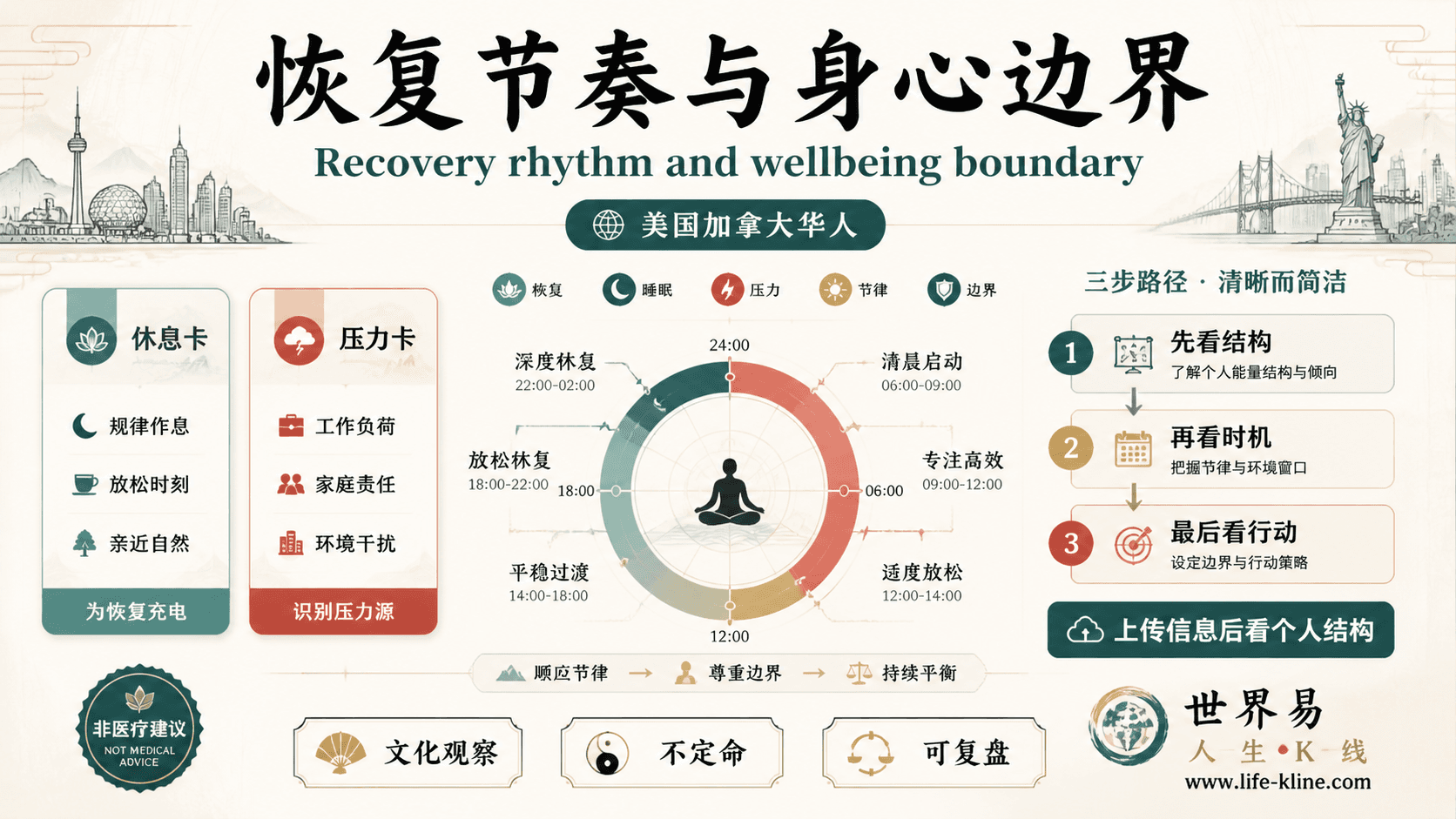
这张图把《Astrological Analysis of Parenting Discipline Flexibility and Yin-Shi Structure for Special Needs Children》里的命理概念转成关系、边界和应用场景,适合先看图建立结构,再回到知识文章正文理解细节。
八字第一份报告怎么看不应被写成固定结论。更适合美国加拿大华人的读法,是把传统术语翻译成结构、时机、环境、行动和复盘。
查看图片解读