Metaphysical Assessment of Persistence and Adjustment Plans in Long-Term Parenting of Children with Special Needs
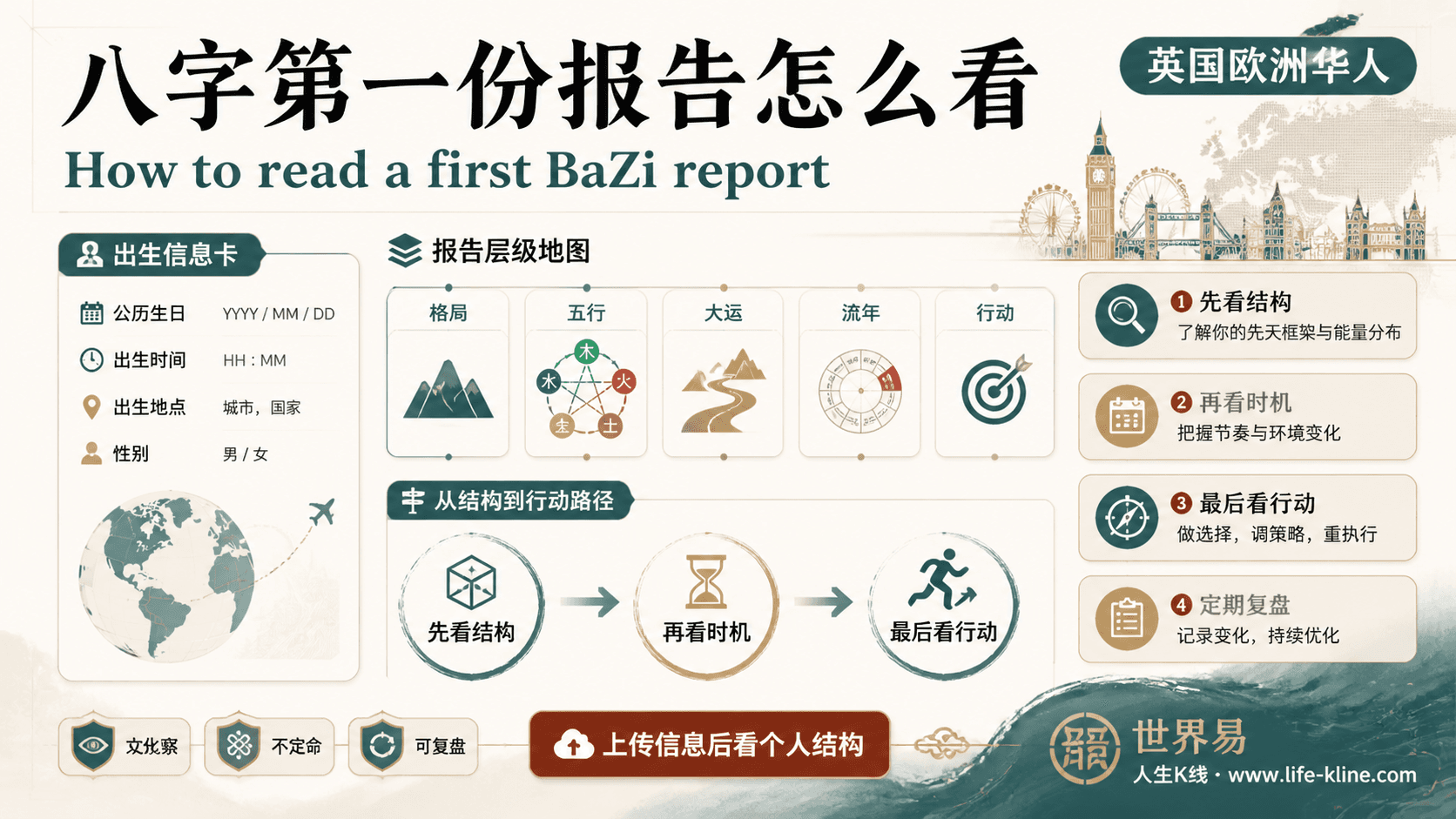
把这篇文章落到自己身上验证:先看结构,再进入个人分析,不做泛泛阅读。
Why This Decision Is Especially Difficult in This Context
Long-term parenting of children with special needs or chronic illnesses involves sustained resource investment, with parents often required to expend significant economic, time, and emotional costs. Consequently, marital relationships endure considerable pressure, and social support systems are often inadequate, leading to caregiver psychological burnout and emotional fatigue. In this context, making adjustments to the parenting plan not only concerns the child's optimal growth environment but also affects overall family stability and happiness.
In parenting dynamics, there is tension between parents' attachment needs and the child's autonomy development. Persisting with the original plan means faithful execution of established goals but may cause repeated frustration due to real-world difficulties. Conversely, resetting goals can alleviate pressure but might trigger guilt, intergenerational expectation conflicts, and increase family anxiety and uncertainty.
From a metaphysical perspective, the strength of the parents' and child's Day Masters, the relationships between Yong Shen (favorable elements) and Ji Shen (unfavorable elements), and the interactions of Da Yun and Liu Nian form important references for parenting rhythms. In BaZi charts, the Yin star (Zheng Yin / Pian Yin) symbolizes attachment and support; Bi Jian and Jie Cai reflect resource sharing and competition; Zheng Guan and Qi Sha relate to authority and expression ability. These combinations can amplify or suppress resource pressures and psychological burdens during parenting decisions.
Therefore, persistence or adjustment of the parenting plan is not only a balance of real resources and mental states but also a manifestation of the interaction between metaphysical rhythms and the family system. Correct interpretation of metaphysical signals can help parents anticipate parenting risks, scientifically choose action timing, avoid blind persistence or premature abandonment, and guide the family toward a more stable parenting path.
Three Core Dimensions of Metaphysical Assessment
The strength of the Day Master directly affects the energy structure of parents and children in parenting. A relatively strong Day Master usually indicates abundant resources and strong execution ability; such a structure tends to persist with the original plan under long-term parenting pressure, demonstrating resilience and determination. A relatively weak Day Master is more susceptible to external pressure impact and is suitable for cautious evaluation of the plan's sustainability, adjusting timely to avoid excessive depletion.
The Yin star (印星, Zheng Yin / Pian Yin) represents support and attachment in metaphysics. Good Yin star support means caregivers can obtain psychological and material help, reducing burden and enhancing sustained investment capacity. Bi Jian and Jie Cai reflect resource sharing and competition; excessive strength may cause internal friction and consumption, indicating a need for reasonable resource allocation and protection. Zheng Guan and Qi Sha relate to authority execution and expression/innovation respectively. Their balance influences family communication and problem-solving ability.
The interaction of Da Yun and Liu Nian reveals the timing rhythm of the parenting environment. When Da Yun is stable and aligns with the Yong Shen, the family’s overall fortune favors maintaining and persistence. If Liu Nian shows clashes or combinations, it signals possible changes requiring flexible responses. Conversely, weak Da Yun combined with unfavorable Liu Nian signals the need to adjust the plan, advising caution to avoid blindly implementing unsuitable plans under current conditions.
Integrating these three dimensions, metaphysics provides rhythmic references for parenting decisions: when resources are sufficient and metaphysical support favors persistence, it is suitable to continue the original plan; when resources are tight and metaphysics indicates accumulating pressure, resetting goals and adjusting the parenting path should be considered.
Three Real BaZi Case Studies
Case 1: The Day Master is Geng Metal (庚 Geng), relatively strong, with a Jie Cai pattern, Yong Shen is Metal, and Ji Shen is Earth. The current Da Yun is Wu Shen (戊申 Da Yun), a stable luck cycle favoring maintenance, and the Liu Nian is Bing Wu (丙午). This chart indicates relatively abundant resources and strong execution ability in child or parent-child interactions. The Jie Cai pattern represents competition and resource sharing, supporting strong parental persistence in parenting. Both Da Yun and Liu Nian are stable, suggesting that when encountering parenting bottlenecks, one can leverage environmental advantages to continue the original plan. However, attention should be paid to the Ji Shen Earth element that may cause obstacles, avoiding excessive resource dissipation. It is recommended that when facing bottlenecks, parents first assess internal and external resource support, combine psychological counseling to alleviate consumption, and adjust strategy details timely rather than completely changing direction.
Case 2: The Day Master is Ren Water (壬 Ren), relatively weak, with a Pian Yin pattern, Yong Shen is Metal, and Ji Shen are Wood and Fire. The current Da Yun is Bing Xu (丙戌 Da Yun), a relatively weak luck cycle advising caution, and the Liu Nian is Bing Wu (丙午). The Pian Yin pattern emphasizes reliance on external support, but the weak Day Master indicates limited personal energy and parenting resources. Both Da Yun and Liu Nian suggest significant environmental pressure, prone to psychological fatigue and resource depletion. Under this structure, persisting with the original plan may exacerbate family burdens. It is recommended to pragmatically reset goals and adjust the parenting plan based on professional psychological counseling and family therapy, while paying attention to marital relationship coordination and expanding social support to reduce pressure accumulation.
Case 3: The Day Master is Ren Water (壬 Ren), relatively weak, with a Pian Yin pattern, Yong Shen is Metal, and Ji Shen are Wood and Fire. The current Da Yun is Yi Chou (乙丑 Da Yun), a weak luck cycle advising caution, and the Liu Nian is Bing Wu (丙午). The chart structure is similar to Case 2, showing limited parenting resources and reliance on external support, heavy burdens, and high psychological pressure. The interaction of Da Yun and Liu Nian remains weak, indicating increased risk if persisting with the original plan. At this time, it is necessary to combine psychological counseling and family therapy, deeply assess the child's needs and family capacity, scientifically adjust parenting goals, avoid excessive depletion of family energy, actively seek social resource support, and reset the plan to pursue steady progress.
These three cases all reflect the close relationship between metaphysical structure and parenting decisions. A relatively strong Day Master and stable Da Yun support persistence, while a weak Day Master and weak luck cycles suggest adjustment. Regardless of persistence or adjustment, it is recommended to combine psychological professional intervention to ensure the scientific nature and humanistic care of parenting decisions.
Common Misjudgments and Blind Spots in This Scenario
Parents raising children with special needs often fall into the misconception of 'must persist to the end,' viewing persistence as the sole expression of responsibility and love, neglecting their own resource and psychological limits, leading to accumulated pressure and strained family relationships. In metaphysics, when the Day Master is overly strong, such persistence may be amplified, increasing fatigue and blind impulsiveness while ignoring the necessity of adjustment.
Another misjudgment is premature abandonment or frequent adjustment of parenting plans, especially when the Day Master is weak and the environment unfavorable. Parents may lack patience due to excessive pressure, causing the child’s growth to lack continuity and stability. In the Pian Yin pattern structure, insufficient reliance on external support exacerbates such blind actions, negatively affecting parenting quality.
Additionally, ignoring the changes in Da Yun and Liu Nian rhythms is a common blind spot. Parenting decisions should integrate metaphysical timing to identify opportunities for maintenance or adjustment. Blindly pushing plans during weak luck periods easily leads to resource depletion and psychological breakdown; conversely, ignoring advancement opportunities during strong luck periods misses critical support and turning points.
In summary, misjudgments often stem from emotional reactions and neglect of metaphysical rhythms. It is recommended that parents combine professional psychological counseling, scientifically assess their own and their child's conditions, avoid excessive resource consumption or frequent plan changes, and guide the family to progress steadily within metaphysical rhythms.
Practical Judgment Sequence
Step one: Assess the strength of the Day Master and pattern characteristics. If the Day Master is relatively strong and the pattern supports execution, and the current Da Yun and Liu Nian are relatively stable, priority should be given to continuing the original plan, combined with professional psychological counseling to monitor family pressure and mental state, adjusting details rather than abandoning the whole plan. If the Day Master is weak and the pattern shows heavy resource reliance, carefully evaluate the risks of persistence, especially during weak Da Yun and Liu Nian periods, prioritizing plan adjustment.
Step two: Combine the interaction of Da Yun and Liu Nian to identify metaphysical rhythm signals for maintenance or change. When Da Yun is stable and Liu Nian supportive, the parenting plan is more likely to receive external support and internal family stability, suitable for persistence. Conversely, when Da Yun is weak and Liu Nian unfavorable, be alert to resource depletion and psychological exhaustion, and adjust the plan timely to avoid greater loss caused by blind persistence.
Step three: Integrate the family’s actual situation and professional psychological counseling advice, dynamically monitor marital relations, resource input, and child status. Based on metaphysical indications from Yin stars and Bi Jian/Jie Cai, allocate resources and support reasonably to prevent internal friction and psychological fatigue. Parenting plan adjustments should be based on scientific evaluation and family consensus, avoiding adverse effects caused by unilateral decisions, ensuring the sustainability of the parenting path and harmony in parent-child relationships.
FAQ
Question 1: Can metaphysical assessment directly decide whether to persist or reset goals? Answer: Metaphysical assessment provides auxiliary references on parenting rhythms and resource status but cannot replace professional psychological counseling and family therapy. Final decisions should combine the family’s actual situation and professional advice. Metaphysics helps identify timing and risks, assisting scientific decision-making.
Question 2: If the BaZi chart shows resource tightness, must the parenting plan be adjusted? Answer: Resource tightness indicates caution but does not mean immediate adjustment is mandatory. It should be combined with psychological health status and external support strength for dynamic evaluation. Persistence or adjustment should be based on practical feasibility and family capacity, not blind compliance with metaphysical indications.
Question 3: When marital relationship pressure is high, how does metaphysics assist parenting decisions? Answer: In metaphysics, the combination of Yin stars and Bi Jian/Jie Cai reflects resource sharing and dependency relationships. Marital tension may intensify internal friction. By identifying pressure accumulation nodes through metaphysics, combined with family therapy and psychological counseling, responsibilities and support can be reasonably allocated, helping relieve pressure and promote sustained execution or timely adjustment of the parenting plan.

八字第一份报告怎么看|美国加拿大华人
这张图把《Metaphysical Assessment of Persistence and Adjustment Plans in Long-Term Parenting of Children with Special Needs》里的命理概念转成关系、边界和应用场景,适合先看图建立结构,再回到知识文章正文理解细节。
八字第一份报告怎么看不应被写成固定结论。更适合美国加拿大华人的读法,是把传统术语翻译成结构、时机、环境、行动和复盘。
查看图片解读