Metaphysical Rhythm Analysis in Decision-Making for Insomnia Intervention and Medical Consultation Timing
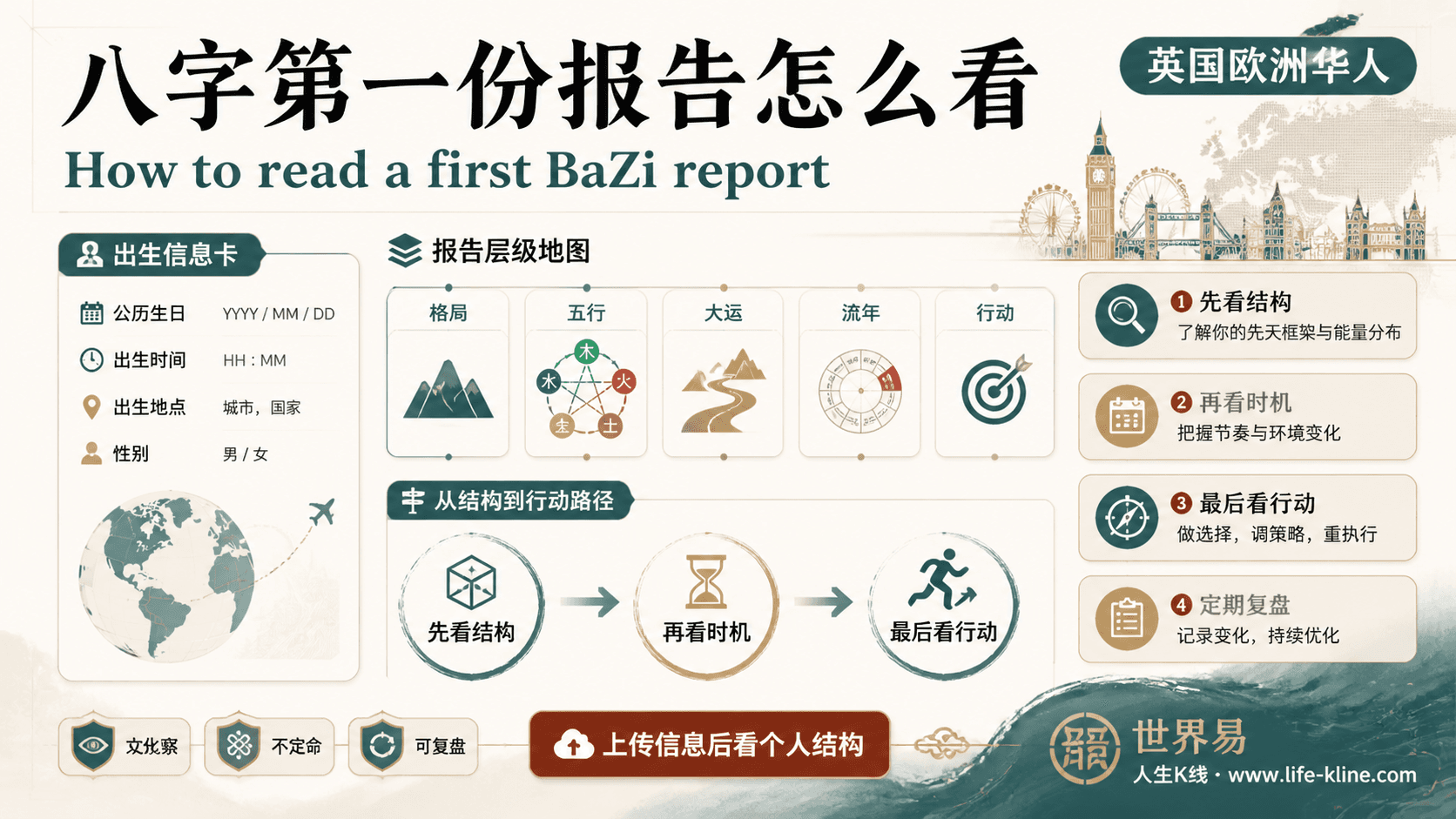
把这篇文章落到自己身上验证:先看结构,再进入个人分析,不做泛泛阅读。
Why This Decision Is Especially Difficult in This Health Context
Insomnia and sleep disorders manifest as difficulty falling asleep, frequent awakenings, vivid dreams, and nighttime anxiety, severely affecting physiological rhythms and mental state. Due to the diverse and fluctuating symptoms, patients often find it hard to accurately determine the best timing for intervention or medical consultation, resulting in unstable treatment outcomes.
From the perspective of life rhythms, modern society’s high-intensity stress and irregular schedules exacerbate sleep rhythm disorders, especially noticeable during seasonal transitions or environmental changes. The patient’s physical functions and psychological state are in a constant dynamic balance, requiring decision-making to consider both internal and external environmental influences.
In BaZi structure, the Day Master’s strength, pattern, and tendency of Yong Shen and Ji Shen correspond to the body’s Five Elements organ functions, reflecting the individual’s internal energy state and regulatory capacity. The interactions of Da Yun and Liu Nian further affect bodily rhythms and mental state, making the choice of intervention timing more complex and individualized.
Therefore, decisions on insomnia intervention and medical consultation timing must not only focus on clinical symptoms but also integrate the Five Elements organ rhythms from BaZi, accurately identifying the body’s regulatory capacity to avoid premature or delayed treatment and improve intervention success rates.
Correspondence Between BaZi and Five Elements Organs
The Day Master represents the individual’s original Qi, with its strength reflecting the vitality of the body’s Yuan Qi. Excess or deficiency directly affects the balance of organ functions. For example, those with excessive Fire often correspond to hyperactive heart and small intestine functions, easily leading to heart Fire disturbing the mind, causing insomnia and vivid dreams.
Yong Shen is the key element that harmonizes the Five Elements and balances the organs. When the Yong Shen is effectively utilized, bodily rhythms tend to stabilize, and insomnia symptoms are alleviated. Ji Shen represents the burdensome elements; if Ji Shen is strong, organ functions easily become imbalanced, exacerbating sleep disorders.
Da Yun and Liu Nian represent the temporal dimension of energy changes. During auspicious luck cycles, Five Elements energies flow orderly, organ functions are coordinated, making it suitable for therapeutic intervention. Conversely, during inauspicious cycles, organs are subjected to clashes and restraints, reducing immunity and recovery capacity, increasing intervention risks.
Considering seasonal Qi, especially in Fire-excess seasons (such as the summer year of Bing Wu 丙午), when Fire and Earth are strong, special attention should be paid to regulating the heart and spleen to avoid aggravating heart Fire disturbing the mind and worsening insomnia during treatment. Proper use of Water and Metal elements to regulate organ rhythms is crucial.
Three Real BaZi Cases
Case 1: A female aged 35-40, Day Master Ding Fire (丁火) slightly excessive, Bi Jian (比肩) pattern, Yong Shen are Water and Metal, Ji Shen is Wood. Currently in Jia Yin (甲寅) Da Yun, which is an inauspicious luck cycle requiring caution against major changes; the Liu Nian is Bing Wu (丙午), a Fire-excess year. Her Five Elements show Fire excess with hyperactive heart and spleen, manifesting as difficulty falling asleep and nighttime anxiety. The Jia Yin Da Yun is Wood-excess, the Ji Shen, which aggravates heart and spleen unrest, and the Da Yun is relatively weak, limiting bodily regulatory capacity. Intervention and medical timing should be chosen when Water and Metal elements in Da Yun and Liu Nian are relatively strong to avoid compounded Fire excess. It is recommended to first assess sleep stability and mental state; if there is significant deterioration or persistent anxiety, timely medical consultation should be considered. Normally, regulating Water and Metal rhythms can assist improvement.
Case 2: A male aged 30-35, Day Master Ding Fire (丁火) slightly excessive, Pian Yin (偏印) pattern, Yong Shen Water and Metal, Ji Shen Wood. He is in the auspicious Xin Hai (辛亥) Da Yun, with Liu Nian Bing Wu (丙午) Fire excess. The Hai Water in Xin Hai Da Yun is the Yong Shen, effectively restraining heart Fire and balancing organ rhythms. Despite the Fire-excess Liu Nian, the auspicious Da Yun supports strong recovery and regulation capacity. His insomnia is mostly periodic stress response and can be improved through regulation. Intervention timing should follow the phase when Water element in Da Yun is stronger, and combined with clinical symptoms such as worsening insomnia or increased anxiety, timely intervention is more likely to achieve good results. Daily focus on Water and Metal regulation helps stabilize sleep rhythms.
Case 3: A female aged 25-30, Day Master Gui Water (癸水) neutral, Cong Er (从儿) pattern, Yong Shen Wood and Fire, Ji Shen Metal. Currently in the auspicious Yi Hai (乙亥) Da Yun, with Liu Nian Bing Wu (丙午) Fire excess. The neutral Gui Water Day Master indicates relatively stable organ functions. Yong Shen Wood and Fire support spleen, stomach, and heart Fire, promoting Qi and blood circulation. Sleep disorders mainly arise from external stress or seasonal Fire excess disturbing the heart spirit. The Hai Water in Yi Hai Da Yun nourishes Yin and buffers the Fire excess of Liu Nian, resulting in relatively coordinated rhythms. Intervention decisions should focus on the impact of Fire-excess seasons on the heart spirit. If insomnia symptoms are mild without severe mental symptoms, priority can be given to observation and regulation. If symptoms persist or worsen, timely medical consultation is necessary for safety.
These three cases illustrate the complexity of deciding insomnia intervention and medical consultation timing, requiring integration of Day Master strength, Yong Shen and Ji Shen, and Da Yun and Liu Nian rhythms to dynamically adjust treatment plans and scientifically assist decision-making.
Common Misjudgments and Blind Spots in This Scenario
A major misjudgment in insomnia intervention decisions is overreliance on metaphysical inference to replace clinical diagnosis, neglecting the dynamic changes of symptoms and potential serious underlying causes. BaZi only serves as a rhythm reference and cannot substitute medical examinations and treatments. In the presence of red-flag symptoms such as sudden severe chest pain, difficulty breathing, or severe mental abnormalities, immediate medical attention is mandatory.
Another blind spot is ignoring the influence of Ji Shen. Blindly intervening during unfavorable Da Yun and Liu Nian may increase organ burdens and hinder recovery. It is necessary to combine Da Yun and Liu Nian interactions to reasonably assess intervention timing, avoiding intensive treatment during periods of low bodily regulatory capacity.
Additionally, insomnia symptoms are complex and multifactorial. Focusing solely on one pillar or Yong Shen can be one-sided. A comprehensive analysis of Day Master strength, pattern, Yong Shen, and Ji Shen, combined with clinical manifestations and environmental factors, is essential for more scientific intervention decisions.
Practical Judgment Sequence
First, observe the duration and severity of the patient’s insomnia symptoms and accompanying mental state, assessing for obvious anxiety, depression, or other serious psychiatric symptoms. If red-flag signs such as sudden severe chest tightness, breathing difficulty, or mental confusion appear, immediate medical consultation is required without delay.
Second, integrate BaZi analysis of Day Master strength, Yong Shen and Ji Shen, and current Da Yun and Liu Nian rhythms to evaluate the body’s Five Elements organ regulatory capacity and energy state. If in an auspicious Da Yun and Liu Nian phase with mutual generation, intervention success rates are higher, favoring active regulation and treatment.
Finally, for patients with mild symptoms and BaZi indicating strong regulatory capacity, initial measures such as adjusting lifestyle, psychological counseling, and auxiliary Five Elements regulation can be applied with observation over time. If symptoms do not improve or worsen, timely medical consultation is necessary to avoid treatment delays.
FAQ
Question 1: Can BaZi directly determine when insomnia requires medical consultation? Answer: BaZi mainly provides references on Five Elements rhythms and organ functions and cannot replace clinical diagnosis. Immediate medical consultation is required if red-flag symptoms occur. BaZi is only an auxiliary tool for judging treatment timing.
Question 2: How do Da Yun and Liu Nian affect insomnia intervention success rates? Answer: Da Yun and Liu Nian reflect the body’s energy state and regulatory capacity. During auspicious luck cycles, organ functions are coordinated and treatment success rates are higher; during inauspicious cycles, recovery ability is weaker and intervention risks increase, requiring cautious timing assessment.
Question 3: How to use Yong Shen and Ji Shen to assist in judging intervention timing? Answer: Yong Shen represents key Five Elements for bodily regulation, and Ji Shen represents burdensome elements. Intervention should be chosen during periods when Yong Shen is strong and Ji Shen is restrained, facilitating recovery and avoiding increased organ burdens caused by strong Ji Shen.

木过旺与再平衡
这张图把《Metaphysical Rhythm Analysis in Decision-Making for Insomnia Intervention and Medical Consultation Timing》里的命理概念转成关系、边界和应用场景,适合先看图建立结构,再回到知识文章正文理解细节。
木过旺常表现为扩张过快、计划繁多、方向分散。在人生K线系统中,这是一种时位特征,而非固定标签。通过引入边界、沉淀与复盘,可实现自然再平衡,导向更可持续的结构。
查看图片解读