Grain Rain: Spring's End, Wood Storage, and the BaZi Month Pillar Boundary
As the final solar term of spring, Grain Rain marks the transition where Yang energy enters the Earth storage and Wood energy retreats. It serves as the true boundary for BaZi charting and Da Yun calculation, strictly based on solar terms rather than the lunar calendar's first day, profoundly influencing metaphysical patterns.
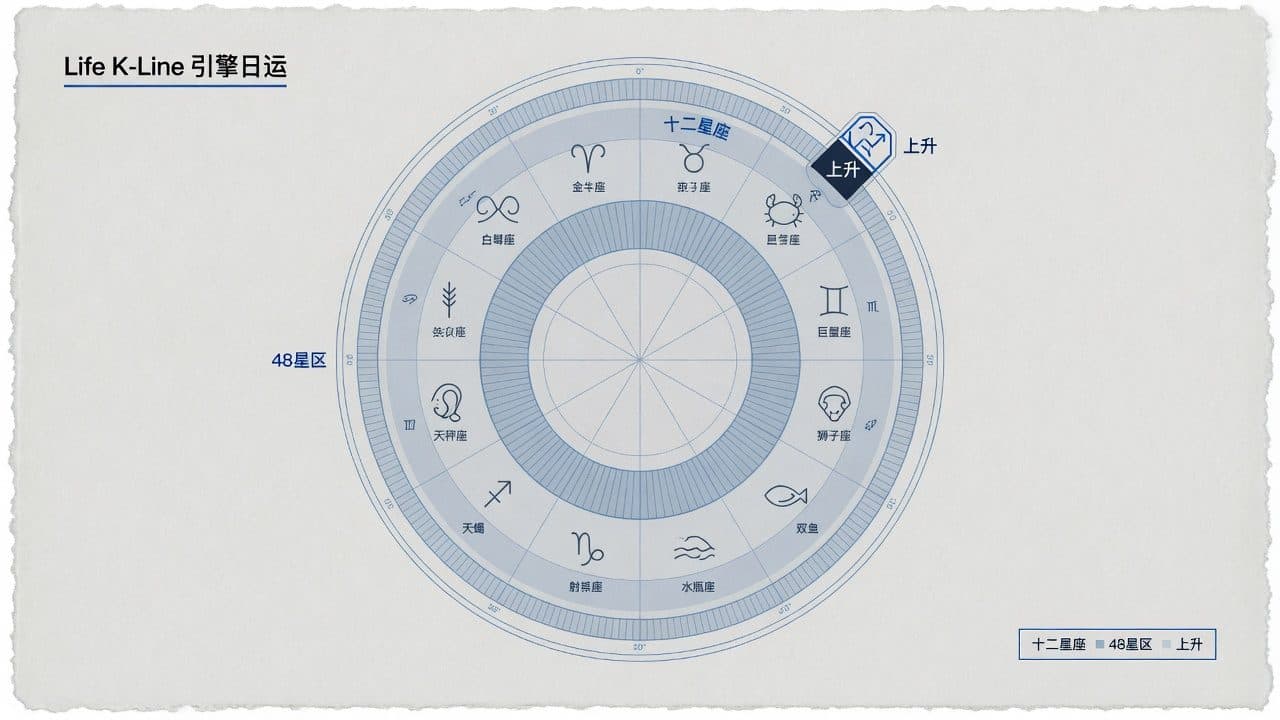
星座百科总览:把抽象判断拆成可看见的结构关系。
Concept Definition
Grain Rain is the sixth solar term of the 24 Solar Terms and also the final solar term of spring. In terms of time coordinates, it corresponds to the position where the Sun's ecliptic longitude reaches 30 degrees, typically occurring between April 19 and 21 of the Gregorian calendar. From a calendar perspective, solar terms are the 24 divisions of the solar ecliptic, a product combining astronomy and calendar science, possessing strong objectivity and periodicity.
In the core application of the metaphysical system, Grain Rain is not only a point of natural phenological change but also the true boundary for BaZi charting and the calculation of Da Yun. Traditional metaphysics insists that the month pillar is determined by the switch of solar terms, a point of crucial importance. While the Gregorian date may fluctuate by one or two days due to factors like lunar leap months, the boundary of the month pillar is entirely determined by the precise moment of the solar term. The absolute time of the solar term is the basis for determining the month pillar's belonging, not the first day of the lunar month.
Traditional Metaphysical Significance
From the deep logic of Five Elements generation and control and the flow of Qi, the time of Grain Rain is precisely when Wood energy reaches its peak and begins to turn into storage. Spring belongs to Wood, representing growth and generation. However, as the Sun's ecliptic longitude enters the Chen Palace, the Earthly Branch Qi undergoes a qualitative change. Chen is the Water storage, and also the storage for Wood, meaning that Wood energy no longer expands outwardly for growth but instead turns inward for storage and seclusion.
This state of Wood entering the storage symbolizes a turning point in the cycle of development. After spring generation and summer growth, the stage enters one of collection and sedimentation. In metaphysical patterns, this represents that the fortune or career of the individual may enter a period requiring retraction, accumulation, or transformation. At this time, the Five Elements Qi field converges from outward to inward, exerting a special constraining and fulfilling effect on the Day Master's strength and the success or failure of the pattern.
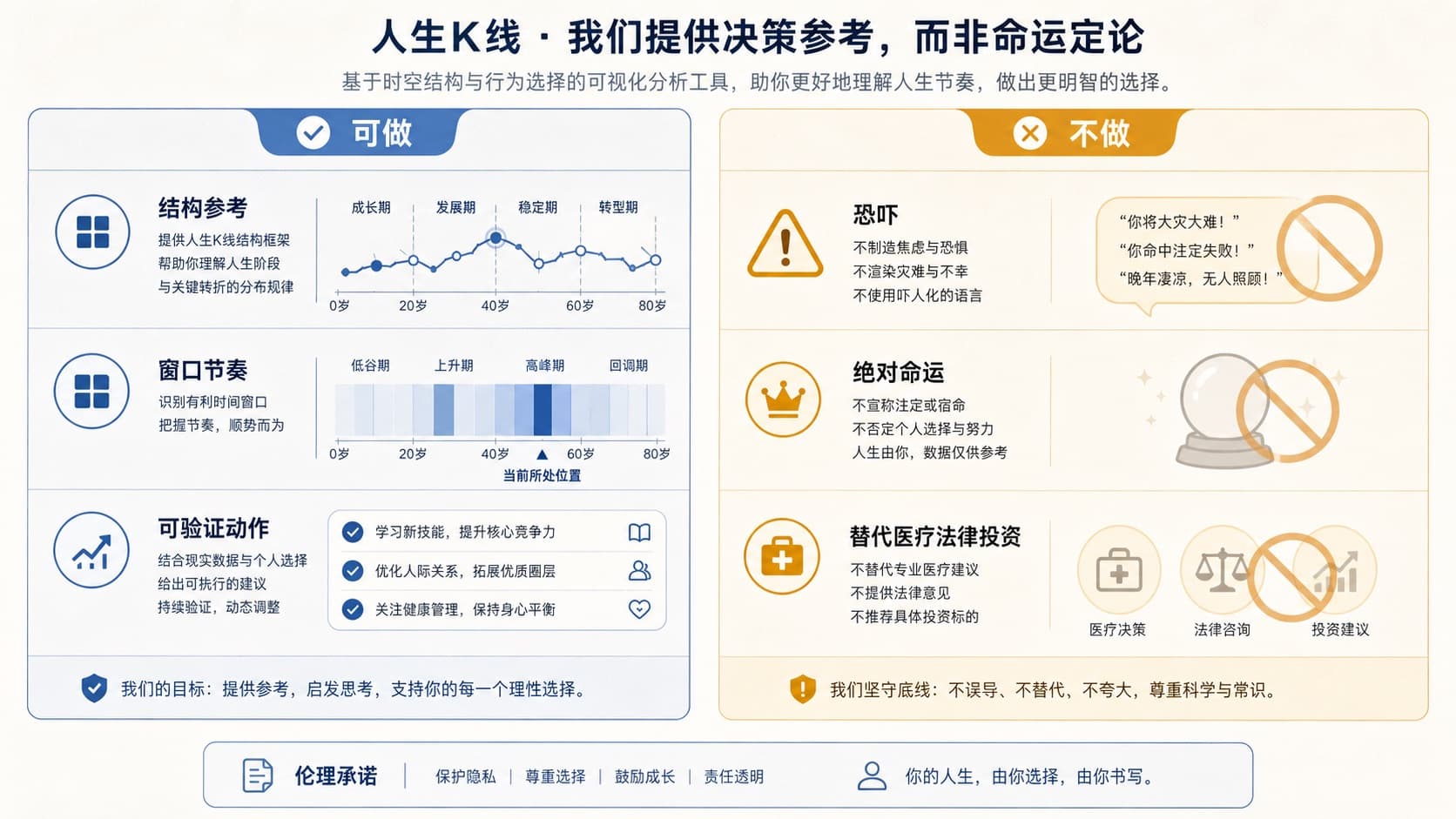
判断边界:参考不是定论:把抽象判断拆成可看见的结构关系。
Practical Configuration and Interpretation
In actual charting operations, one must strictly follow the solar term boundary rules. If someone is born before Grain Rain, their month pillar still belongs to the previous month's establishment, with Wood energy still strong; once the moment of Grain Rain is crossed, the month pillar immediately switches to the Chen month, and Wood energy turns into storage. This conversion directly changes the Five Elements attribute of the month pillar, thereby influencing the judgment of the BaZi's strength, the configuration of the Ten Gods, and the starting point of Da Yun.
For the calculation of Da Yun, the solar term is the only standard. Regardless of the lunar date, as long as the solar term has not been passed, the Da Yun does not start; once the solar term is passed, the Da Yun immediately changes. This rigor based on the solar term as a boundary ensures the precision of metaphysical analysis. When analyzing annual fortune, if the annual stem and branch interact with the Wood storage characteristics of Grain Rain, it often predicts that the year will have significant changes or deep internal sedimentation.
Common Misconceptions
The most common error is mistaking the first day of the lunar month for the starting point of the month pillar. Many beginners habitually use lunar dates to divide months, leading to completely incorrect judgments of the month pillar. In fact, the month pillar in the BaZi system is bounded by solar terms, and lunar dates are only used for record-keeping and have nothing to do with the month pillar of Five Elements generation and control. This confusion can cause the entire chart analysis to deviate from the track.
Additionally, mistakenly believing that Grain Rain simply means increased rainfall while ignoring its essence of Wood entering the storage is also a misconception. Although the name of the solar term originates from the phenological phenomenon of rain nourishing hundreds of grains, in metaphysical deduction, the core lies in the change of Earthly Branch Qi field. The Chen month does not merely refer to rain, but rather a specific state where Wood energy retreats into the Earth storage. Understanding this point is the key to accurately grasping the direction of fortune.
FAQ
Question: Why is the BaZi month pillar not based on the first day of the lunar month? Answer: Because BaZi is based on a solar term system divided by the Sun's ecliptic. The month pillar represents the dominant Qi field of the month; only when the solar term switches does the Five Elements Qi field undergo a fundamental change. Lunar dates cannot reflect such astronomical and meteorological changes.
Question: What does Grain Rain specifically represent in BaZi? Answer: Grain Rain represents the month pillar being Chen, at which time Wood energy enters the storage. This means the generative energy turns into a state of collection. It is a key time node for judging the handover of Da Yun and the turning point of annual fortune.
本文含 2 张图解(封面/结构/时位/行动或风险)。图解用于建立判断框架,不构成宿命结论; 个人决策请结合测算报告与工具验证。