Equinox: The Pivot Point for BaZi Charting and Yue Jian Switching
As the fourth solar term of autumn, the Equinox marks the start of the You month (Yue Jian You), with the Sun's ecliptic longitude at 180 degrees and equal day and night. It is the true dividing line for arranging the monthly pillar in BaZi and initiating Da Yun, serving as the critical node for determining fortune cycles.
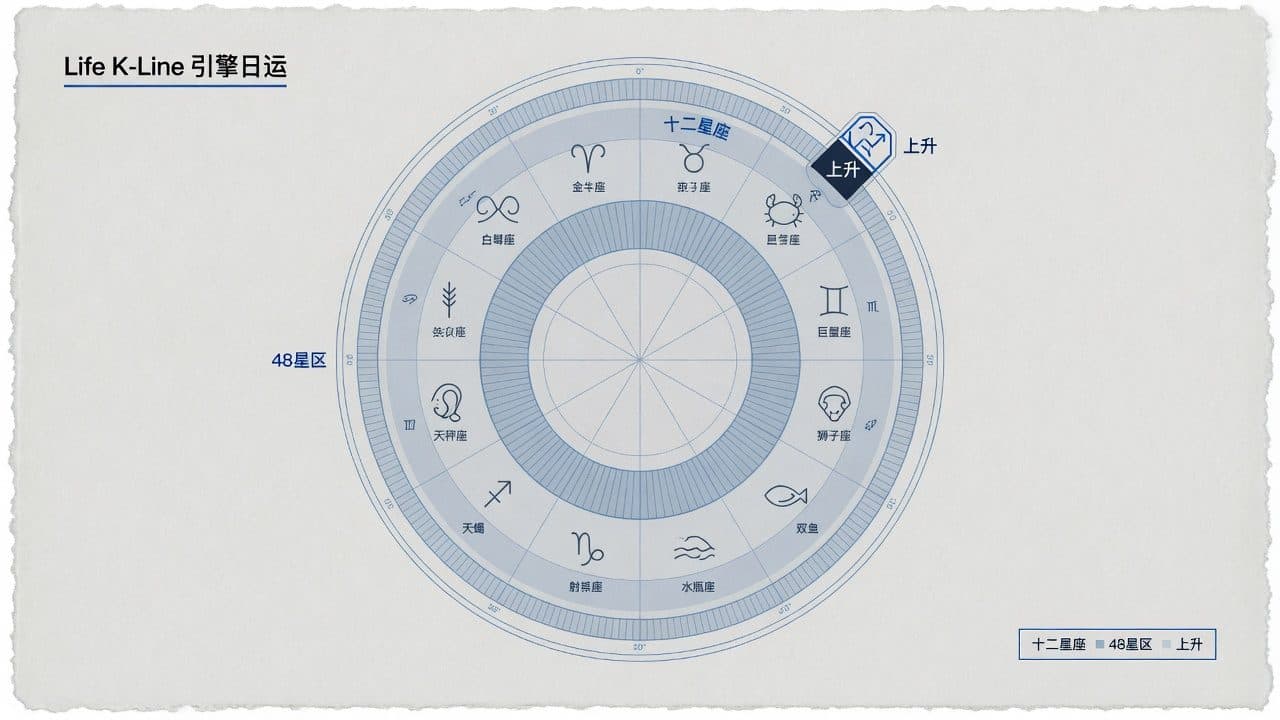
星座百科总览:把抽象判断拆成可看见的结构关系。
Concept Definition
The Equinox is the ninth solar term among the twenty-four, ranking as the fourth of autumn. At this time, the Sun's ecliptic longitude runs to 180 degrees, marking the halfway point of autumn and reaching a state of equal day and night again. In the calendar system, the Equinox usually appears between September 22 and 24 of the Gregorian calendar, with its specific date floating by 1 to 2 days each year due to minor adjustments in the Earth's orbital trajectory. This time point possesses extremely high precision in traditional calendars, serving as a physical ruler for dividing seasonal transitions.
Within the metaphysics system, the Equinox is not merely a natural phenomenon but also a core coordinate for charting and calculation. It is the true dividing point for arranging the monthly pillar in BaZi and initiating Da Yun. When a metaphysician constructs a person's fortune chart, they must strictly establish the boundary of the monthly pillar based on the time node of the solar term, rather than relying on the first day of the lunar month. This method of charting based on the Sun's trajectory ensures that the metaphysics model synchronizes with the changes in cosmic energy.
As the starting moment for Yue Jian You, the Equinox signifies the formal beginning of the eighth lunar month. Yue Jian You represents the West in the twelve Earthly Branches, symbolizing contraction and the killing energy, which highly aligns with the phenological characteristics of the Equinox season where all things in nature mature and begin to store energy. From a metaphysics perspective, once the boundary of the Equinox is crossed, the pattern originally belonging to the seventh month's Jian Shen will completely transform into the eighth month's Jian You pattern, causing fundamental changes in Five Elements attributes and Ten Gods relationships, directly affecting the analysis of the chart's strength.
Traditional Metaphysics Significance
In traditional metaphysics classics, Yue Jian is the key to determining the month master, while the Equinox is the precise gate for Yue Jian switching. As the ancients said, 'The month master is the ruler of the month, and is the pivot of the flow of Five Elements.' At the time of the Equinox, when the Sun directly shines on the equator and day and night are equal, the Qi of You Metal transitions from latent to manifest. For BaZi metaphysics, the month master determines the state of prosperity and decline of the Five Elements, thereby dominating the likes and dislikes of the entire chart. If the charting confuses the solar term with the new moon, it will lead to chaos in the month master, causing deviations in the overall judgment of the chart's strength.
As the true dividing point for initiating Da Yun, the Equinox reflects the rigorous logic of time and energy transformation in metaphysics. The timing of Da Yun initiation is often closely related to the exchange of solar terms, and on the positioning of the monthly pillar, the solar term must be the standard. This means that a person born in the eighth lunar month must have their monthly pillar in the chart calculated as the You month starting from that exact moment of the Equinox; before that, it still belongs to the Shen month. This division method excludes the ambiguity of energy accumulation on the first day of the lunar month, ensuring that metaphysical analysis is built upon the objective basis of astronomical calendars.
From a philosophical perspective, the Equinox symbolizes dynamic adjustment after Yin-Yang balance. Although day and night are equal at this time, Yang Qi gradually recedes, and Yin Qi gradually grows. In metaphysics configuration, the You Metal of Yue Jian You possesses the nature of severity and decisiveness. If the chart is weak and likes Metal, the You month after the Equinox can receive support from the month master, increasing strength; if the chart is strong and dislikes Metal, the You month comes to conquer, doubling the pressure. Therefore, accurately grasping the node of the Equinox is crucial for judging the fortune trend of an individual in a specific stage of life, serving as the cornerstone for determining events and fortune.
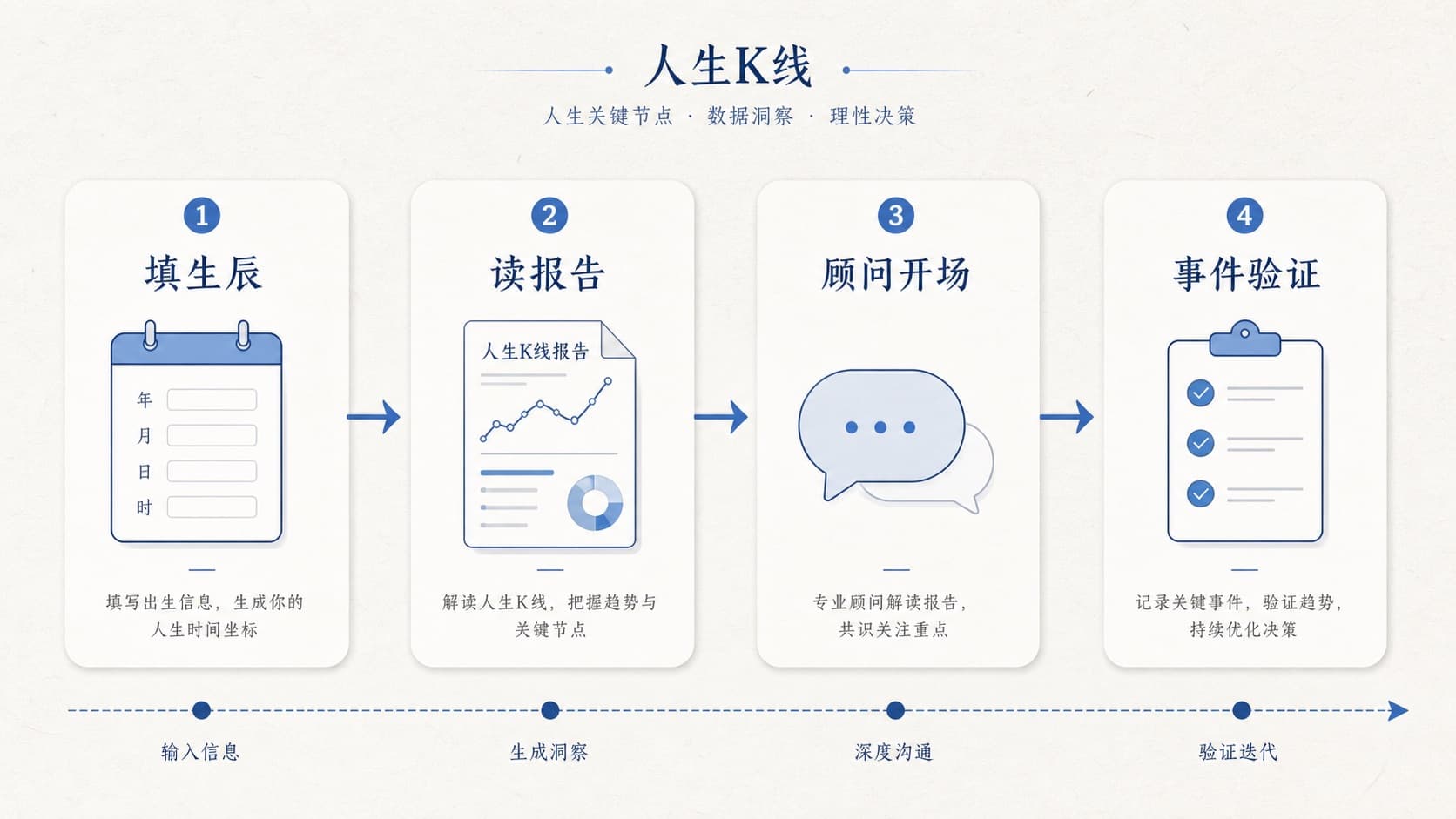
从生辰到可执行判断:把抽象判断拆成可看见的结构关系。
Practical Configuration and Interpretation
In practical charting operations, the metaphysician must first confirm whether the person's birth time crosses the Equinox. If the birth moment is before the Equinox, the monthly pillar is fixed as the Shen month; if the birth moment is after the Equinox, the monthly pillar immediately switches to the You month. This switching point will not change due to the arrival of the first day of the lunar month; it must be strictly judged based on the Gregorian date and the astronomical fact of the Sun's ecliptic longitude at 180 degrees. For example, if someone is born on September 23, regardless of whether the lunar month has reached the eighth month, their monthly pillar is arranged according to the You month, thereby establishing the month master as You Metal.
The Five Elements influence brought by Yue Jian You is obvious in specific interpretation. When You Metal is in command, if the original chart has strong Fire, it forms a situation of Fire conquering Metal, requiring the chart to see if there is a god to pass the obstruction; if the original chart has strong Water, Metal generates Water, and the momentum flows. Additionally, as the Equinox is an important node for the conversion of Jian Chu Shen functions, it also affects the auspiciousness and misfortune of travel. After entering the You month, if the Da Yun or Liu Nian also encounters strong Metal, there will be more decisions, but it is also easy to have images of severity; if the original chart likes Fire to warm the chart, You Metal may become the sick god, needing to be determined based on the specific configuration.
In modern applications, precise charting of the Equinox has guiding significance for career selection and investment decisions. For example, in a chart with a pattern of Food/Injury generating Wealth, if born in the You month of the Equinox, the Food God or Injury God receives the month master's support, making talent easier to express, which is conducive to industries requiring decisiveness such as finance and law. Conversely, if the original chart has too much Seal Star, You Metal coming may instead conquer the Seal Star, potentially leading to rigid thinking. Therefore, when analyzing annual fortune trends, one must subdivide into before and after the Equinox, because the pattern of the day before and the pattern of the day after are completely different, which directly determines whether the tone of the year's fortune is smooth or bumpy.
Common Misconceptions
The most common misconception is to mistakenly take the first day of the lunar month as the standard for switching the monthly pillar. Many beginners are accustomed to taking the first day of the lunar month as the beginning of the new month, thereby incorrectly attributing days before and after the Equinox to the same monthly pillar. This error stems from the confusion between traditional calendars and modern astronomical calendars. In fact, the monthly pillar in metaphysics is based on the Sun passing through a palace, i.e., the exchange of solar terms, rather than the new moon. If judged by the first day of the lunar month, it will lead to chaos in the month master, causing the residual energy originally belonging to the previous month to be incorrectly included in the current month, seriously interfering with the judgment of Five Elements prosperity and decline.
Another misconception is ignoring the fluctuation of solar term dates. Although the Equinox usually falls between September 22 and 24, the specific date varies from year to year due to calendar adjustments. If one mechanically remembers the 22nd or 23rd while ignoring the actual solar term time of the year, it will also lead to charting errors. For example, if the Equinox of a certain year falls on the 24th, and someone still uses the 22nd as the dividing line, then the chart owner born on the 23rd will be incorrectly included in the You month. Therefore, when using any charting software or consulting an almanac, one must verify the exact solar term date of the year to ensure the absolute accuracy of the dividing line.
FAQ
Question: Why is BaZi charting based on the Equinox instead of the first day of the eighth lunar month? Answer: Because the core of BaZi metaphysics is the flow of Five Elements, and Five Elements change with the Sun's ecliptic longitude. Yue Jian You represents You Metal being in command, a state that begins at the time of the Equinox when the Sun's ecliptic longitude reaches 180 degrees, not the first day of the lunar month. The first day of the lunar month is the朔日 (New Moon) of the Yin calendar, which has no direct correspondence with the Sun's position, so it cannot serve as the basis for switching the month master; the solar term must be used as the standard.
Question: What if born on the day of the Equinox? Answer: If born on the day of the Equinox, precision to the hour is required. If the hour is before the Equinox, the monthly pillar still belongs to the previous month; if the hour is after the Equinox, the monthly pillar is the next month. Since the solar term date floats by 1 to 2 days each year and the specific time is difficult to precisely determine to the minute, usually if the specific hour is uncertain, one can conservatively handle it based on the solar term exchange point, but in professional charting, one must verify the second-level time to determine the monthly pillar.
本文含 2 张图解(封面/结构/时位/行动或风险)。图解用于建立判断框架,不构成宿命结论; 个人决策请结合测算报告与工具验证。