Chushu: The Second Solar Term of Autumn and the Boundary for BaZi Month Pillars
Chushu is the second solar term of autumn, with the Yue Jian as Shen. It marks the true boundary for arranging the month pillar and starting Da Yun in BaZi. Traditional metaphysics relies on solar terms, not the first day of the lunar month, as the core time coordinate.
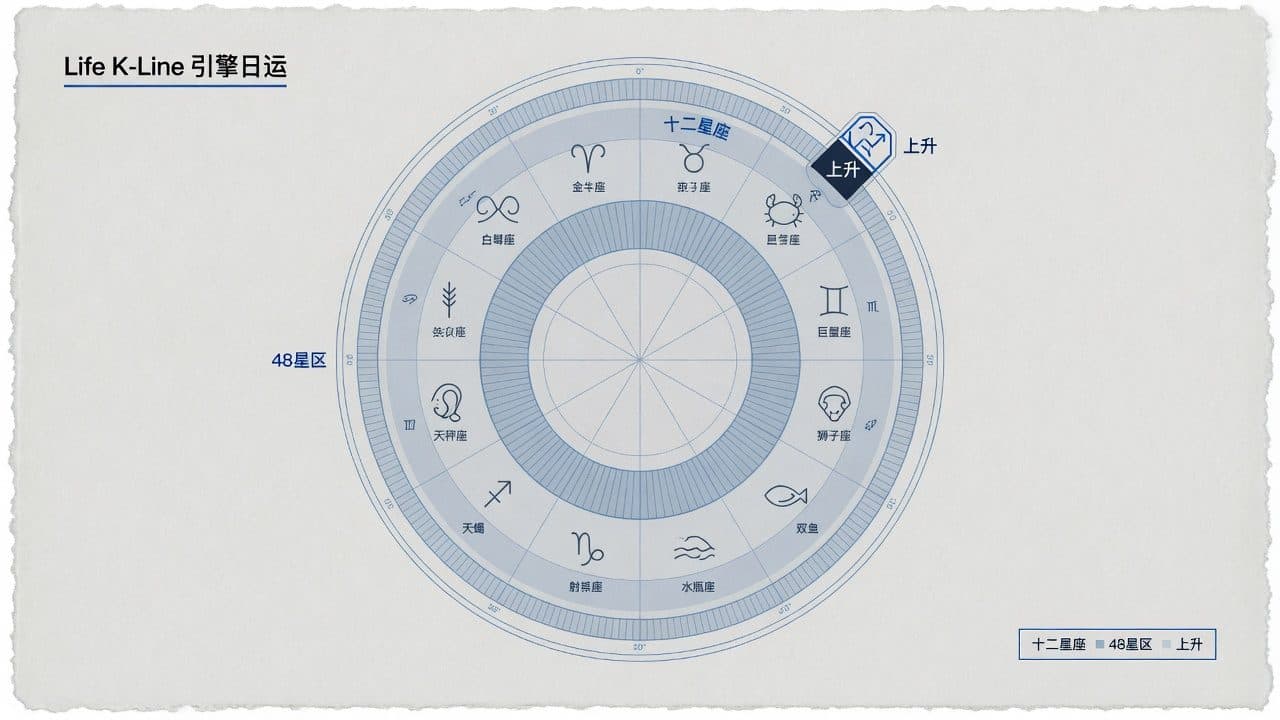
星座百科总览:把抽象判断拆成可看见的结构关系。
Concept Definition
Chushu is the ninth of the 24 Solar Terms, ranking after Liqiu and serving as the second solar term of autumn. In ancient Chinese, 'Chu' (处) implies stopping, meaning the cessation of intense heat. From a natural celestial perspective, during the Chushu season, the Sun's ecliptic longitude runs to 150 degrees. At this time, the solar altitude angle in the Northern Hemisphere begins to decline, and the amount of solar radiation received by the ground gradually decreases, marking the formal end of summer's scorching heat.
In terms of time definition, Chushu usually appears between the 22nd, 23rd, or 24th of the public calendar (August). Although the modern calendar fixes it to these public calendar dates, in the traditional metaphysics system, it belongs to one of the 24 equal divisions of the solar ecliptic. This minor fluctuation in the time node, i.e., one day before or after the public calendar date, is considered in precise pillar arrangement, but the general range is always locked in late August.
Chushu does not have a fixed corresponding date in the lunar calendar because it is determined entirely by the position of the Sun on the ecliptic, rather than the waxing and waning of the moon. This solar nature determines its unique status in metaphysics pillar arrangement. As an objective standard for seasonal transitions, Chushu is an important milestone for dividing the changes in Yin-Yang and Five Elements energy fields, providing accurate time coordinates for subsequent fortune-telling.
Traditional Metaphysical Significance
In the BaZi metaphysics system, the Yue Jian corresponding to the Chushu season is Shen, which belongs to Metal in the Five Elements. The Shen Metal Yue Jian means that within this time period, the Five Elements energy field in the universe is dominated by Metal, with dry qi gradually appearing and fire qi contracting. For metaphysicians, accurately determining the moment when the Sun's ecliptic longitude reaches 150 degrees is the primary task for establishing the month pillar's Heavenly Stems and Earthly Branches. The month pillar represents a person's mid-life fortune, the sibling palace, and the body's limbs; therefore, as the starting point of the month pillar, Chushu's accuracy directly relates to the construction of the overall chart pattern.
Chushu is the true boundary for starting Da Yun, and its importance cannot be overstated. Da Yun is a fortune cycle changing every ten years, and its switching node must be precise to the solar term. If the lunar first day is used as the boundary, it often leads to deviations in the starting time of Da Yun, thereby affecting the judgment of fortune in a specific life stage. Metaphysical classics repeatedly emphasize that solar terms are the true reflection of heaven and earth's Yin-Yang changes and serve as the cornerstone for deducing based on Five Elements circulation logic such as Metal generating Water, Water generating Wood; therefore, one must use the actual position of the solar ecliptic as the standard, rather than artificially set lunar dates.
From the perspective of seasonal flow, Chushu not only means the stopping of heat but also predicts that all things begin to contract and hide. In metaphysical philosophy, this contraction corresponds to the adjustment of Five Elements strength in the birth chart. In the Shen month, Metal is strong; if the birth chart has excessive Fire and Earth, the arrival of Chushu means that Metal is needed to drain Earth qi and control Wood qi, thereby balancing the Five Elements structure of the birth chart. This mapping of natural laws makes Chushu have an irreplaceable reference value when analyzing a person's mid-life career changes and health trends.
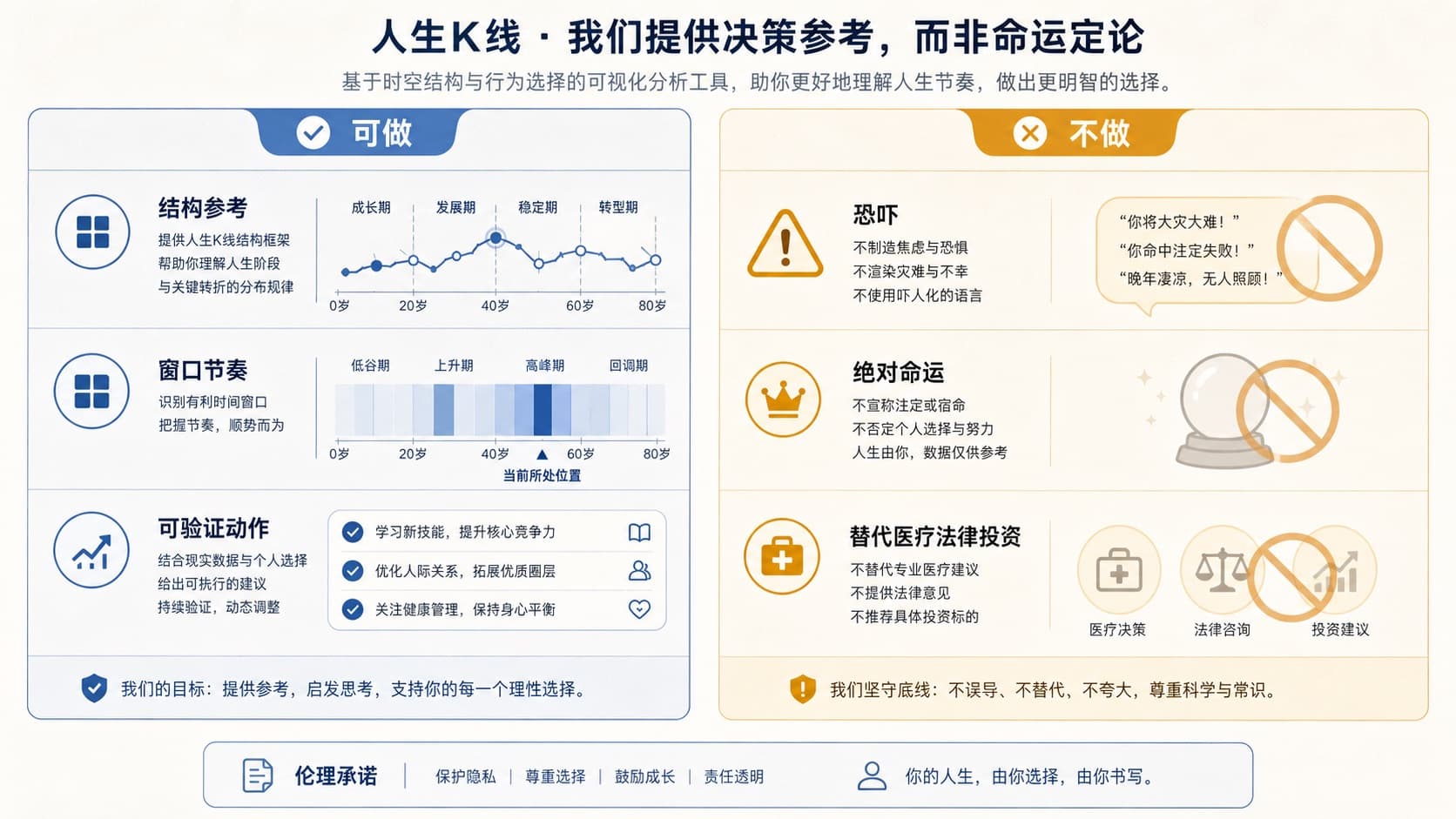
判断边界:参考不是定论:把抽象判断拆成可看见的结构关系。
Practical Configuration and Interpretation
When practically arranging BaZi pillars, one must first consult the yellow calendar or professional astronomical data to confirm whether the Sun's ecliptic longitude has reached 150 degrees on that day. Once the date is confirmed to be between the 22nd and 24th of August, that day is the Chushu day, and at this time, the month pillar's Heavenly Stems and Earthly Branches formally switch from the previous month's to the Shen month's Heavenly Stems and Earthly Branches. For example, if Chushu occurs shortly after Liqiu, the Wei month must be used after Liqiu and before Chushu, but once crossing Chushu, the Shen month must be immediately activated without any hesitation or ambiguity.
Regarding the starting of Da Yun, the starting time of Da Yun also strictly follows the solar term switch. The solar term moment on the day of birth determines the early or late timing of starting Da Yun. If the birth day is exactly on the day of Chushu or late at night the day before, the starting time of Da Yun may have already crossed into the Shen month, leading to a fundamental change in the Da Yun's Heavenly Stems and Earthly Branches combination. Therefore, when calculating the age of starting Da Yun, the metaphysician must precisely calculate the number of days between the birth day and the next solar term (Chushu), combine it with the day's Heavenly Stems and Earthly Branches to determine the pattern, ensuring the absolute accuracy of the Da Yun starting point.
When analyzing annual fortune (Liu Nian), Chushu is also a critical node. If someone's birth chart Day Master is weak, and during the Shen month of Chushu Metal qi is prosperous, Metal can generate Water and then Wood, or Metal can drain Earth to generate Water; at this time, the coordination of Da Yun or Liu Nian becomes particularly important. For example, a person born in the Shen month already possesses Metal qi from the month pillar; if they encounter Chushu again, Metal qi becomes even stronger, requiring judgment on whether Metal is favorable or unfavorable based on the birth chart's Five Elements preferences and dislikes. This specific analysis based on the Chushu Yue Jian Shen Metal can more accurately predict the trends of changes in the party's mid-life career, wealth accumulation, and health status.
Common Misconceptions
The biggest misconception is equating the lunar first day with the solar term day. Many beginners are accustomed to arranging the month pillar at the beginning of the lunar month, believing that the lunar first day is the start of the new month. This practice completely violates the core principles of metaphysics. BaZi pillar arrangement is based on the trajectory of the Sun's movement, while the lunar calendar is based on the cycle of the Moon; the two are fundamentally different. Using the lunar first day as the boundary often leads to confusion in the month pillar's Heavenly Stems and Earthly Branches, making the basic data of the entire birth chart erroneous, and the subsequent deduction results naturally have no reference value.
Another common error is ignoring the fluctuation range of public calendar dates. Although the modern public calendar fixes Chushu between the 22nd and 24th of August, in different years or different latitudes, the moment the Sun reaches 150 degrees on the ecliptic may have slight differences. Some years may reach before 00:00 on the 22nd, while others may be delayed until after 00:00 on the 24th. If the day boundary cannot be strictly distinguished and one directly divides by whole hours or whole days, it may produce an error of one or two months in the precise calculation of the Da Yun starting point, especially when judging critical turning points in life, where such errors are infinitely magnified.
FAQ
Question: Is the specific date of Chushu fixed every year? Answer: Chushu is usually fixed between the 22nd, 23rd, or 24th of August in the public calendar, but the specific date may fluctuate by one or two days depending on the moment the Sun reaches 150 degrees on the ecliptic; one needs to consult the yellow calendar of that year to confirm.
Question: Why does BaZi pillar arrangement use solar terms as the standard instead of the lunar calendar? Answer: Because BaZi metaphysics reflects the natural changes of Yin-Yang and Five Elements, and solar terms are the true coordinates of the 24 equal divisions of the solar ecliptic, representing the accurate switching of seasons. The lunar calendar is based on the waxing and waning of the moon and differs from the Sun's orbital path; the two cannot serve as the same time benchmark system.
本文含 2 张图解(封面/结构/时位/行动或风险)。图解用于建立判断框架,不构成宿命结论; 个人决策请结合测算报告与工具验证。